Blog
June 17, 2026
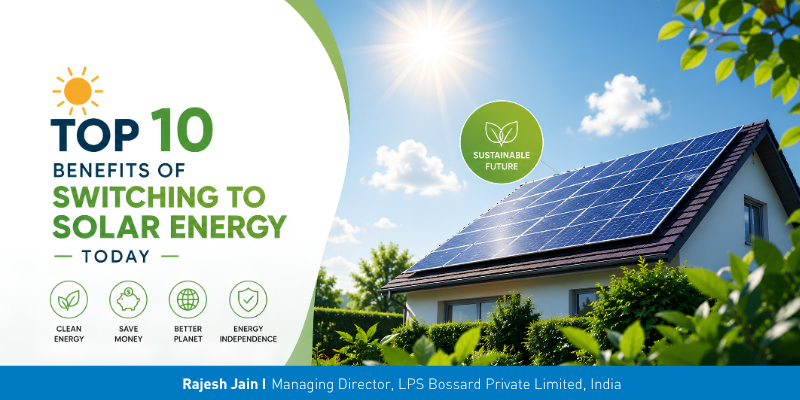
As the world moves toward cleaner and more sustainable energy solutions, solar power has emerged as one of the most practical and impactful alternatives to traditional electricity sources. Once considered a costly investment reserved for large-scale projects, solar energy has become increasingly accessible for homeowners, businesses, and industries alike. Advances in technology, declining installation costs, and growing environmental awareness have made solar power a preferred choice for those looking to reduce energy expenses while contributing to a greener future.
The appeal of solar energy goes far beyond environmental benefits. It offers financial savings, energy independence, long-term reliability, and a range of advantages that make it one of the smartest investments available today. Whether you are considering solar panels for your home or exploring renewable energy options for your business, understanding the benefits of solar power can help you make an informed decision.
1️⃣ Significant Reduction in Electricity Bills
One of the most compelling reasons to switch to solar energy is the potential for substantial savings on electricity costs. Solar panels generate electricity directly from sunlight, reducing your dependence on the grid. As a result, households and businesses can significantly lower their monthly energy bills.
Over time, these savings can add up to thousands of dollars, making solar energy not just an environmentally responsible choice but also a financially rewarding one. With electricity prices continuing to rise in many regions, generating your own power provides a level of protection against increasing utility costs.
2️⃣ A Clean and Renewable Energy Source
Unlike fossil fuels such as coal, oil, and natural gas, solar energy is completely renewable. The sun provides an abundant and virtually unlimited source of power that can be harnessed without depleting natural resources.
By switching to solar energy, individuals and businesses can significantly reduce their carbon footprint. Solar power generation produces no harmful emissions, helping combat climate change and improve air quality. Every solar installation contributes to a cleaner environment and a more sustainable future.
3️⃣ Greater Energy Independence
Energy independence has become an increasingly important consideration for consumers and businesses. Relying solely on traditional power grids can leave users vulnerable to rising electricity costs, supply disruptions, and energy shortages.
Solar energy allows users to generate their own electricity, reducing dependence on external energy providers. When combined with battery storage systems, solar installations can provide power even during outages, enhancing energy security and reliability.
4️⃣ Low Maintenance Requirements
One of the often-overlooked benefits of solar energy is its simplicity and durability. Solar panels are designed to withstand various weather conditions and require minimal maintenance throughout their lifespan.
Routine cleaning and occasional inspections are generally sufficient to keep a solar system operating efficiently. Most solar panels come with warranties ranging from 20 to 25 years, ensuring long-term performance with relatively low upkeep costs.
5️⃣ Increased Property Value
Installing solar panels can enhance the value of residential and commercial properties. As energy efficiency becomes a priority for buyers and investors, properties equipped with solar energy systems often attract greater interest in the real estate market.
Potential buyers recognize the long-term savings associated with solar power, making solar-equipped properties more appealing and potentially increasing their resale value. This added value can help offset the initial investment while providing ongoing financial benefits.
6️⃣ Government Incentives and Financial Benefits
Many governments around the world actively encourage the adoption of renewable energy through incentives, tax credits, rebates, and subsidy programs. These initiatives can significantly reduce the upfront cost of solar installations, making solar energy more affordable and accessible.
In addition to direct incentives, some regions offer net metering programs that allow solar system owners to sell excess electricity back to the grid. This creates an additional financial benefit while maximizing the value of solar energy production.
7️⃣ Long-Term Return on Investment
Unlike many household upgrades that depreciate over time, solar energy systems can provide continuous returns for decades. Although the initial installation cost may seem significant, the combination of lower electricity bills, government incentives, and increased property value often results in an attractive return on investment.
As solar technology continues to improve and installation costs decrease, the financial case for adopting solar energy becomes even stronger. Many homeowners recover their investment within a few years and continue benefiting from reduced energy costs for decades afterward.
8️⃣ Job Creation and Economic Growth
The growth of the solar energy sector is creating employment opportunities across multiple industries. From manufacturing and installation to maintenance and research, solar energy supports a rapidly expanding workforce.
As countries invest in renewable energy infrastructure, the solar industry is contributing to economic development while fostering innovation and technological advancement. Supporting solar energy not only benefits individual consumers but also strengthens local and national economies.
9️⃣ Reliable and Scalable Technology
Solar technology has advanced significantly over the past decade, becoming more efficient, reliable, and adaptable to different needs. Modern solar systems can be installed on residential rooftops, commercial buildings, industrial facilities, and even large-scale solar farms.
This scalability makes solar energy suitable for a wide range of applications. Whether powering a small household or an entire manufacturing facility, solar systems can be customized to meet specific energy requirements while delivering consistent performance.
🔟 Supporting a Sustainable Future
Perhaps the greatest benefit of switching to solar energy is its role in building a more sustainable future. As global energy demand continues to rise, renewable sources like solar power are essential for reducing environmental impact and preserving natural resources.
By embracing solar energy today, individuals and businesses become active participants in the transition toward cleaner energy systems. Each solar panel installed contributes to reducing greenhouse gas emissions, decreasing reliance on fossil fuels, and creating a healthier planet for future generations.
🚀 Why Now Is the Best Time to Go Solar
The transition to solar energy is no longer a distant possibility—it is a practical and increasingly popular solution for modern energy needs. Falling installation costs, improved technology, supportive government policies, and growing environmental awareness have created the ideal conditions for adopting solar power.
For homeowners, solar energy offers long-term savings and energy independence. For businesses, it provides opportunities to reduce operating costs and strengthen sustainability commitments. For society as a whole, it represents a critical step toward a cleaner and more resilient energy future.
Switching to solar energy today is more than an investment in technology; it is an investment in financial security, environmental responsibility, and long-term sustainability. As the world continues its shift toward renewable energy, those who embrace solar power now will be well-positioned to enjoy its benefits for years to come.
Share :
Recent Post
-

🚭 What Happens to Your Body When You Quit Tobacco?
September 18, 2026 -

♻️ E-Waste: Why It Matters More Than Ever
June 30, 2026 -

☀️ Top 10 Benefits of Switching to Solar Energy Today
June 17, 2026 -

⚡ Electric Mobility: Driving Toward a Cleaner Tomorrow
June 17, 2026 -

🌿 Eco-Friendly Habits for Everyday Life
June 17, 2026 -

💧 Saving Water, Saving Life : A Call for Action
March 30, 2026 -

♻️ Waste Segregation: A Simple Step Toward Clean Living
January 31, 2026 -

☀️ Why Solar Energy Is the Key to a Sustainable Future
December 27, 2025 -

🌳 How Forests Help Fight Climate Change
December 24, 2025 -

🌍 What Is Climate Change?
November 29, 2025 -

Bhagwan Mahavir: A Visionary of Truth, Simplicity, and Self-Discipline
September 27, 2025 -

🌍 9 Ways to Reduce Your Carbon Footprint
August 18, 2025 -

High-Oxygen Trees for Sustainable Living
July 26, 2025 -

5S at LPS Bossard India: Small Steps, Big Impact
July 09, 2025 -

Say No to Tobacco: A Path to a Healthier Life
April 01, 2025 -

Stop War, Spread Love - Together for Peace!
January 02, 2025 -

Say No to Plastic: A Step Towards a Greener Future
October 06, 2024


Copyright © 2024 Rajesh Jain | All Rights Reserved.
