Blog
June 17, 2026
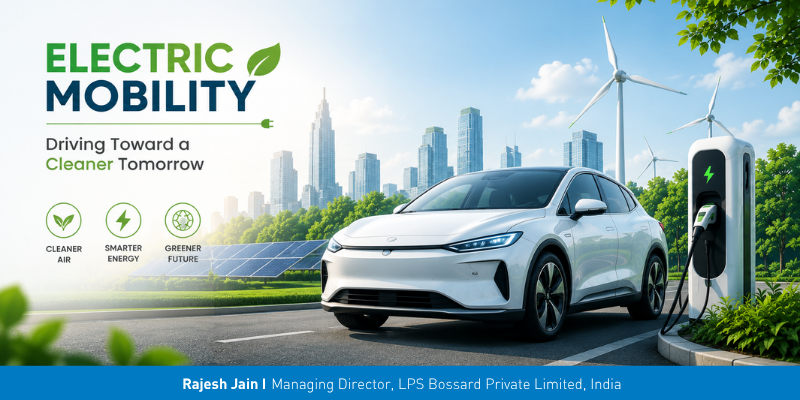
The future of transportation is not arriving—it is already here. Across the world, roads that were once dominated by fuel-powered vehicles are gradually making room for a cleaner, smarter, and more sustainable alternative. Electric mobility has moved beyond being an emerging trend and is now at the center of conversations about climate action, technological innovation, and the future of urban living.
For decades, transportation has relied heavily on fossil fuels. While this model fueled economic growth and transformed global connectivity, it also created challenges that can no longer be ignored. Rising carbon emissions, worsening air pollution, volatile fuel prices, and growing concerns about energy security have exposed the limitations of conventional transportation systems. As governments, industries, and consumers search for solutions, electric mobility is proving to be more than just an alternative—it is becoming a necessity.
What makes electric mobility so significant is that it addresses multiple global challenges at once. It reduces dependence on fossil fuels, lowers harmful emissions, supports renewable energy adoption, and encourages innovation across industries. Few technological transitions offer such a broad and far-reaching impact. This is why electric mobility is not simply changing vehicles; it is changing the future of transportation itself.
♻️ Why Electric Mobility Is More Important Than Ever
The urgency behind the transition to electric mobility is driven by a reality that is becoming increasingly difficult to overlook. Transportation remains one of the largest contributors to greenhouse gas emissions worldwide. Every year, millions of vehicles release vast amounts of carbon dioxide into the atmosphere, accelerating climate change and placing additional pressure on already fragile ecosystems.
At the same time, urban areas continue to struggle with air pollution caused by traffic congestion and vehicle emissions. The consequences extend beyond environmental concerns. Poor air quality affects public health, reduces productivity, and increases healthcare costs. As cities become larger and populations continue to grow, relying solely on traditional transportation systems is no longer a sustainable option.
Electric mobility offers a clear path forward. By replacing combustion engines with electric powertrains, it significantly reduces local emissions while improving energy efficiency. More importantly, it aligns with global efforts to create sustainable cities and achieve long-term climate goals. In a world increasingly focused on environmental responsibility, electric mobility has become an essential part of the solution rather than an optional innovation.
🚘 More Than Just Electric Vehicles
One of the biggest misconceptions about electric mobility is that it is only about electric cars. In reality, it represents a complete transformation of the transportation ecosystem. Electric buses are reshaping public transit systems, electric two-wheelers are becoming a preferred choice for urban commuting, and electric delivery vehicles are helping businesses reduce their environmental footprint.
This transformation is changing the way cities think about mobility. Instead of focusing solely on individual vehicles, urban planners are exploring integrated transportation systems that combine electrification, digital connectivity, and renewable energy. The result is a smarter mobility ecosystem designed to be cleaner, more efficient, and more accessible.
The shift is also changing consumer expectations. Today's drivers are looking for more than performance and convenience. They want vehicles that align with their values, support sustainability, and offer long-term economic benefits. Electric mobility is responding to these expectations while redefining what modern transportation can achieve.
💡 Innovation Is Accelerating the Transition
The rapid growth of electric mobility would not be possible without technological innovation. Battery technology has improved dramatically over the last decade, enabling vehicles to travel longer distances while charging more quickly than ever before. What was once considered a major limitation has become one of the industry's greatest success stories.
Advancements in charging infrastructure are equally important. Public charging stations are expanding rapidly, making electric vehicles more practical for everyday use. Combined with smart energy management systems and connected vehicle technologies, these developments are creating a transportation experience that is both efficient and convenient.
Innovation is also driving down costs. As battery production scales increase and manufacturing processes become more efficient, electric vehicles are becoming increasingly affordable. This trend is expected to accelerate adoption and make electric mobility accessible to a much wider audience in the years ahead.
🚀 Driving Toward a Cleaner Tomorrow
The transition to electric mobility is often described as a technological revolution, but it is equally a social and environmental transformation. It reflects a growing recognition that transportation must evolve to meet the challenges of the modern world. Cleaner air, lower emissions, greater energy independence, and smarter cities are no longer distant aspirations—they are achievable outcomes supported by advances in electric mobility.
The road ahead will undoubtedly present challenges, from infrastructure expansion to battery sustainability. However, the direction of progress is unmistakable. Investments are increasing, technologies are improving, and public support continues to grow. Electric mobility has moved beyond the question of "if" and entered the realm of “how fast.”
Electric mobility is no longer an alternative waiting for its moment—it is becoming the foundation of future transportation. As technology advances, charging networks expand, and renewable energy becomes more accessible, the transition to electric mobility will continue to gain momentum. The shift is not just about replacing fuel-powered vehicles; it is about creating cleaner cities, reducing environmental impact, and building a transportation system that is better equipped to meet the needs of future generations. In many ways, the road ahead is already being shaped by electric mobility, and every innovation, investment, and adoption brings the world one step closer to a cleaner, smarter, and more sustainable tomorrow.
Share :
Recent Post
-

🚭 What Happens to Your Body When You Quit Tobacco?
September 18, 2026 -

♻️ E-Waste: Why It Matters More Than Ever
June 30, 2026 -

☀️ Top 10 Benefits of Switching to Solar Energy Today
June 17, 2026 -

⚡ Electric Mobility: Driving Toward a Cleaner Tomorrow
June 17, 2026 -

🌿 Eco-Friendly Habits for Everyday Life
June 17, 2026 -

💧 Saving Water, Saving Life : A Call for Action
March 30, 2026 -

♻️ Waste Segregation: A Simple Step Toward Clean Living
January 31, 2026 -

☀️ Why Solar Energy Is the Key to a Sustainable Future
December 27, 2025 -

🌳 How Forests Help Fight Climate Change
December 24, 2025 -

🌍 What Is Climate Change?
November 29, 2025 -

Bhagwan Mahavir: A Visionary of Truth, Simplicity, and Self-Discipline
September 27, 2025 -

🌍 9 Ways to Reduce Your Carbon Footprint
August 18, 2025 -

High-Oxygen Trees for Sustainable Living
July 26, 2025 -

5S at LPS Bossard India: Small Steps, Big Impact
July 09, 2025 -

Say No to Tobacco: A Path to a Healthier Life
April 01, 2025 -

Stop War, Spread Love - Together for Peace!
January 02, 2025 -

Say No to Plastic: A Step Towards a Greener Future
October 06, 2024


Copyright © 2024 Rajesh Jain | All Rights Reserved.
