Blog
June 17, 2026
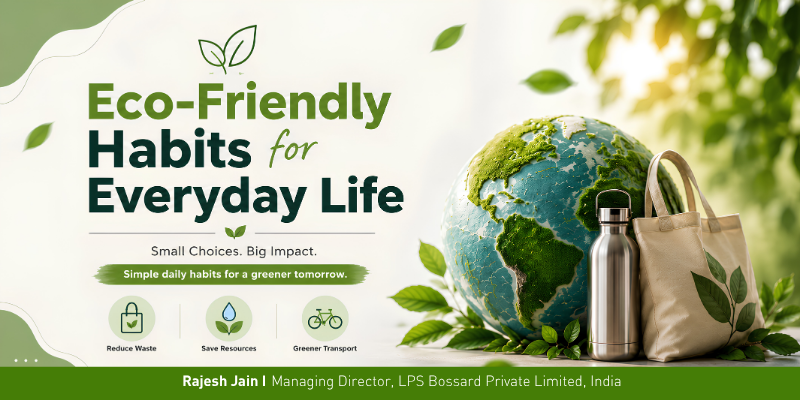
In today's fast-paced world, environmental challenges such as climate change, pollution, deforestation, and excessive waste have become major concerns. While governments and organizations play an important role in addressing these issues, individuals also have the power to make a positive impact through their daily actions. Adopting eco-friendly habits does not require a complete lifestyle overhaul. Instead, small and consistent changes can significantly reduce our environmental footprint and contribute to a healthier planet.
Living sustainably means being mindful of how our choices affect natural resources, ecosystems, and future generations. By incorporating environmentally responsible practices into our everyday routines, we can help conserve energy, reduce waste, and promote a more sustainable future.
♻️ Why Eco-Friendly Habits Matter
Every day, people consume resources such as water, electricity, fuel, and food. Many of these resources require energy-intensive processes to produce and distribute. Excessive consumption and waste contribute to environmental degradation, increased greenhouse gas emissions, and depletion of natural resources. Eco-friendly habits help minimize these negative impacts while encouraging responsible use of the Earth's resources.
When millions of people make small sustainable choices, the collective impact can be enormous. From reducing plastic waste to conserving water and energy, every positive action supports environmental protection and creates a cleaner, greener world.
💡 Conserving Energy in Daily Life
One of the simplest ways to live more sustainably is by reducing energy consumption. Many households use more electricity than necessary due to habits such as leaving lights on, keeping appliances plugged in, or overusing heating and cooling systems. By turning off unused devices, using energy-efficient LED bulbs, and making better use of natural light, individuals can significantly lower their energy usage.
Energy conservation not only reduces electricity bills but also decreases the demand for fossil fuels, which are a major source of carbon emissions. Small changes in daily routines can lead to substantial environmental benefits over time.
🚰 Saving Water Responsibly
Water is one of the planet's most valuable resources, yet it is often wasted through everyday activities. Simple actions such as turning off taps while brushing teeth, repairing leaks, taking shorter showers, and using water-efficient appliances can help conserve significant amounts of water.
Responsible water use protects freshwater supplies and ensures that future generations have access to clean water. Conserving water also reduces the energy required for water treatment and distribution, making it an environmentally beneficial practice.
🛍️ Reducing Single-Use Plastics
Plastic pollution has become one of the most pressing environmental issues worldwide. Disposable plastic bags, bottles, straws, and packaging often end up in landfills, rivers, and oceans, where they can take hundreds of years to decompose.
Replacing single-use plastics with reusable alternatives is a simple yet effective eco-friendly habit. Carrying a reusable shopping bag, water bottle, coffee cup, or food container can significantly reduce plastic waste. These small choices help protect wildlife and reduce pollution in natural ecosystems.
🚲 Choosing Sustainable Transportation
Transportation is a major contributor to greenhouse gas emissions. Whenever possible, choosing environmentally friendly modes of transportation can make a meaningful difference. Walking, cycling, carpooling, and using public transportation reduce fuel consumption and lower carbon emissions.
For those who drive regularly, maintaining vehicles properly and considering fuel-efficient or electric vehicles can further reduce environmental impact. Sustainable transportation not only benefits the environment but also promotes healthier lifestyles and cleaner air.
🥗 Making Sustainable Food Choices
Food production has a significant impact on the environment. Agriculture requires land, water, and energy resources, while transportation and packaging contribute to emissions and waste. Making mindful food choices can help reduce this impact.
Buying locally grown produce, choosing seasonal fruits and vegetables, and reducing food waste are excellent ways to support sustainability. Even incorporating more plant-based meals into one's diet can help lower environmental pressures associated with food production.
🍽️ Minimizing Food Waste
A considerable amount of food produced globally is never consumed. Food waste not only wastes valuable resources but also contributes to greenhouse gas emissions when discarded in landfills.
Planning meals carefully, storing food properly, using leftovers creatively, and composting organic waste are practical ways to reduce food waste. These habits help conserve resources and promote a more sustainable food system.
🌳 Planting Trees and Supporting Green Spaces
Trees play a vital role in maintaining environmental balance. They absorb carbon dioxide, release oxygen, provide habitats for wildlife, and improve air quality. Planting trees and supporting urban green spaces are among the most effective ways individuals can contribute to environmental protection.
Even small actions, such as planting a tree in a garden or participating in local tree-planting initiatives, can have lasting environmental benefits. Healthy green spaces also enhance community well-being and biodiversity.
🏡 Creating an Eco-Friendly Home
An environmentally friendly home is one that uses resources efficiently and minimizes waste. Simple practices such as using eco-friendly cleaning products, improving insulation, reducing unnecessary purchases, and choosing durable household items can contribute to sustainable living.
Creating a greener home often leads to long-term cost savings while reducing environmental impact. Sustainable living begins with conscious choices made within our own households.
🌎 The Power of Small Actions
Many people believe that individual efforts are too small to make a difference. However, meaningful environmental change often begins with small, consistent actions. Turning off a light, carrying a reusable bag, conserving water, or recycling properly may seem insignificant on their own, but when practiced by millions of people, these habits create substantial positive change.
Sustainability is not about perfection; it is about making better choices whenever possible. Every eco-friendly habit contributes to a larger movement toward environmental responsibility and conservation.
📌 Simple Eco-Friendly Habits to Start Today
- Carry a reusable water bottle.
- Use cloth shopping bags.
- Turn off lights when not needed.
- Unplug unused electronics.
- Take shorter showers.
- Walk or cycle for short trips.
- Avoid single-use plastics.
- Recycle household waste properly.
- Plant trees and care for plants.
- Reduce food waste by planning meals.
- Support local and sustainable businesses.
- Use energy-efficient appliances.
Eco-friendly living is not a temporary trend but a necessary step toward protecting our planet. By adopting sustainable habits in our everyday lives, we can reduce waste, conserve natural resources, lower carbon emissions, and contribute to a healthier environment. The journey toward sustainability begins with small actions that eventually become lifelong habits.
Every reusable bottle, every tree planted, every watt of electricity saved, and every piece of waste reduced brings us one step closer to a greener future. By making conscious choices today, we can help ensure a cleaner, healthier, and more sustainable world for generations to come.
Share :
Recent Post
-

🚭 What Happens to Your Body When You Quit Tobacco?
September 18, 2026 -

♻️ E-Waste: Why It Matters More Than Ever
June 30, 2026 -

☀️ Top 10 Benefits of Switching to Solar Energy Today
June 17, 2026 -

⚡ Electric Mobility: Driving Toward a Cleaner Tomorrow
June 17, 2026 -

🌿 Eco-Friendly Habits for Everyday Life
June 17, 2026 -

💧 Saving Water, Saving Life : A Call for Action
March 30, 2026 -

♻️ Waste Segregation: A Simple Step Toward Clean Living
January 31, 2026 -

☀️ Why Solar Energy Is the Key to a Sustainable Future
December 27, 2025 -

🌳 How Forests Help Fight Climate Change
December 24, 2025 -

🌍 What Is Climate Change?
November 29, 2025 -

Bhagwan Mahavir: A Visionary of Truth, Simplicity, and Self-Discipline
September 27, 2025 -

🌍 9 Ways to Reduce Your Carbon Footprint
August 18, 2025 -

High-Oxygen Trees for Sustainable Living
July 26, 2025 -

5S at LPS Bossard India: Small Steps, Big Impact
July 09, 2025 -

Say No to Tobacco: A Path to a Healthier Life
April 01, 2025 -

Stop War, Spread Love - Together for Peace!
January 02, 2025 -

Say No to Plastic: A Step Towards a Greener Future
October 06, 2024


Copyright © 2024 Rajesh Jain | All Rights Reserved.
